There is a moment that maintains repeating in my head from a mixed-styles rehearsal in a black-box cinema in Santa Fe. A ballet-trained professional dancer entered a home combination from a West Coast choreographer, packed with micro-grooves and heel-toe maneuvering. She missed the feeling, not the actions, and you could see the disappointment. After that your house dancer next to her leaned over and stated, "Do not place it, ride it." 10 mins later on she resembled a various artist. The vocabulary stayed the exact same, but she released need to complete every line and discovered to live inside the beat. Afterwards, her ballet variants felt more active, also. That is the guarantee of training across designs: each kind teaches you something the others can not, then those lessons bleed back into whatever you do.
People usually consider dance training as a ladder where you climb up one track. In practice, it functions a lot more like cross-pollination. The very best movers I've coached don't just switch over styles, they carry knowledge from one right into an additional. A standing out drill clarifies your petit allegro. A Cuban movement workout opens your port de bras. A Graham tightening shows your hip-hop freestyle just how to read the floor. The method is Dance Training in Wilsonville dotyperformance.com understanding why you are crossing lanes, what you are borrowing, and just how to structure your week so that gains in one studio don't end up being pains in another.
Why method expands much faster when it grows in numerous directions
Bodies adjust to selection. In toughness scientific research, there is a principle called interference. Incorporate certain trainings and you sloppy signals. Mix others appropriately and you increase progress. Dance is no various. If you only hit one genre, you build a slim collection of reflexes. Clean, perhaps, yet weak under pressure. Multi-style training expands the map. You pile extra motor options in the mind, so when the songs adjustments or the floor shifts or the choreographer requests "much more air in between the matters," your body has options.
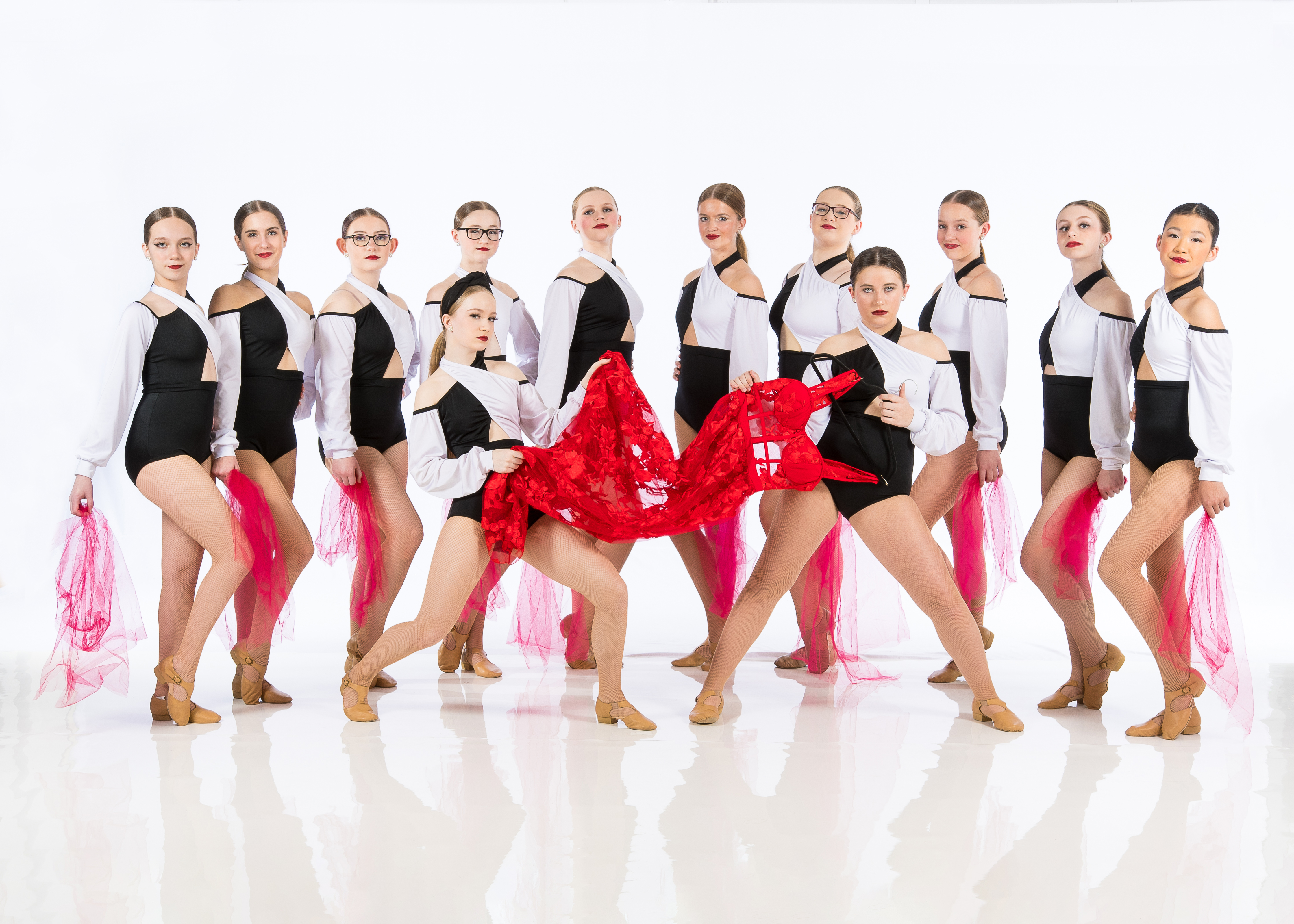
Cross-style work likewise transforms interest. Ballet primes precision and directionality, modern develops transitions, hip-hop demands timing and appearance, ballroom focuses on connection and axis sharing. Changing among these, also within a solitary week, teaches you to recalibrate your concentrate on command. That is a professional ability. Wedding rehearsals seldom run in clean blocks. You will certainly leap from spacing a canon to cleaning a unison combination to running lifts. Musicians that adapt quickly endure longer and get called first.
There is likewise an emotional gain. When you win little in a style you're not "expected" to be efficient, the self-confidence spills right into your home base. The salsa dancer who toenails a jazz double after damaging reject to weight transfers will come close to chaînés with new calmness. Success in one pocket loosens the grasp of perfectionism in another.
What each style actually instructs, past the stereotype
Genres are not boxes, they are toolkits. If you enter into a course anticipating to become a momentary variation of a various professional dancer, you misread. Enter searching tools.
Ballet remains unmatched for placement, tidy lines, and ordered vocabulary that maps to almost everything onstage. Yet the deeper gifts of ballet are pulse and intent. Good educators hint power through the fingertips, not just the 5th setting. You discover to send the eye and body someplace specific, fast. That sense of location will alter your jazz strolls and your floorwork. And petit allegro, when instructed as phrasing instead of foot math, comes to be a lab for musical risk.
Contemporary and modern types, especially those rooted in Graham, Horton, or release techniques, instruct weight, breath, and yield. You quit dealing with gravity as something to fight and start using it to take a trip. Also one month of exercising fall and recovery makes your hip-hop flow much more straightforward. You likewise discover to thread changes, which is where most tryouts are won. Individuals focus on "the moment," but the reason a person checks out as expert is their between-the-moments.
Jazz, frequently caricatured as high kicks and hands, is actually about assault and accents. Good jazz training offers you quality of initiation, specifically in the rib cage and hips, and a reliable groove base that supports musical, business collections, and cinema choreography. Those isolations show up in Latin, house, and waacking. That breeze of objective makes an expression camera-ready.
Hip-hop isn't one point, however a collection of road styles with common dedications: timing, pocket, individuality. A popping course will improve your control better than the majority of adagio combinations, due to the fact that it demands tiny, repeatable tightenings at precise musical positionings. House will boost your endurance and foot articulation, and will certainly compel your arms to quit straining. Breaking will change your relationship with the floor for life. Also if you never ever airflare, you will certainly discover exactly how to read your support factors and how to alter degrees without stopping briefly for a breath.
Ballroom and Latin teach link, framework, and axis. It is one point to stabilize yourself. It is an additional to stabilize while sharing weight and room with a companion who is attempting to do the exact same. If you ever before prepare to do lifts, get in touch with work, or partnering in contemporary, a period in Latin will certainly make you safer and smoother. The torsion skills in rumba, the pendular motion in waltz, and the grounded quickness in cha-cha all translate into sharper body use elsewhere.
Cultural and individual kinds, from West African to bharatanatyam to Mexican folklórico, carry rhythmic realities that no metronome can provide you. These roots have particular backgrounds and visual appeals. If you respect the lineage, you obtain greater than steps. You gain balanced reasoning. A professional dancer that recognizes exactly how a djembe pattern fixes will never battle with a syncopated jazz break once again. A bharatanatyam adavu series recalibrates your ankle joint stamina, toe expression, and spatial clearness. These are not ornamental gains, they are structural.
Tap stands almost alone as a comments maker. It is immediate accountability. You can not cheat timing since your feet are recording whatever. Also if you are a late starter, newbie faucet can renovate your understanding of weight and pick-up, which pays returns in any type of choreography with percussive accents.
The control you don't see: what the nervous system is learning
Under the hood, multi-style training diversifies neural patterns. When you exercise only one control pattern, the mind myelinates those specific series. You obtain efficient, yes, yet you additionally obtain predictable. Auditions and live efficiency penalizes predictability. A choreographer requests for a triplet to kick back versus a straight 4, or they need a spiral that starts in the breast bone while the pelvis holds neutral. If you have only skilled lines and facilities, or only qualified grooves and sinks, you will do one well and fake the various other. Multi-style work produces both maps, then drills the transitions.
Common transfers I have actually seen repetitively:
- From standing out to ballet: the ability to separate little joint activities makes your petit battement crisp. Those exact same mini tightenings instruct your calf bones to fire and launch, not lock, granting far better altitude without gripping. From ballet to house: line training improves your carriage to ensure that your home principles find out more open and elastic. You quit clamping your shoulders during heel-toe patterns, which releases the bounce. From Latin to modern partnering: recognizing common axis and counter-rotation decreases panic in lifts. You start sending energy around a typical center as opposed to transporting each various other up and over.
None of this is theoretical. I have actually viewed a BFA trainee drop their ankle joint injury rate by fifty percent after adding faucet twice a week, purely since they found out to maintain weight over the standing leg throughout pickups. I have actually seen a business professional dancer land a task since she can rest behind the beat naturally, a skill she picked up in Afro combination classes.
How to structure a week so acquires build rather than cancel
There is a real threat of crowding your schedule and squashing your progress. Much more courses aren't instantly better. The means you combine sessions issues. What you put where, exactly how you recoup, and when you integrate.
If you are doing heavy jumping in ballet and wedding rehearsal, do not pile damaging power moves the exact same day. It is not just the quads. Your tendons require time to handle tons modifications. Set high-impact vertical days with based rhythm work instead, or make sure your plyometric sessions followed adequate conditioning.
Similarly, don't sandwich a precision-demanding pointe class between 2 high-fatigue sessions. Pointe penalizes sloppy neuromuscular control. If you are fried from a residence cipher, maintain your pointe work much shorter and cleaner, or push it to a morning slot after rest when your proprioception is fresher.
One framework that helps several pre-professionals utilizes a wave pattern. Frontload focus early in the week with your concern method. Midweek, insert complementary types that emphasize various cells or sychronisations. Finish the week with groove-based endurance and improvisation to metabolize brand-new patterns. The next week, turn the emphasis if your goals change, but maintain those complementary anchors. The body likes rhythm in scheduling, not random chaos.
Fuel and rest matter extra with selection. You are asking your nerve system to switch gears regularly. That cognitive tons expenses energy. A useful range that works for most adult dancers is 7.5 to 9 hours of rest, actual healthy protein at morning meal and post-class, and consistent hydration. It appears standard, and it is, but I can inform you who reserved the work by that had the energy to maintain their efficiency regular at the end of a 6-hour callback.
Avoiding the trap of jack-of-all-trades, master of none
Versatility markets, yet reservations still come when you are exceptional at something. The aim is not to end up being half-decent at 8 designs. The aim is to make one or two designs first-rate while using others to sharpen sides and fill spaces. You make money for your spike. You maintain tasks as a result of your range.
Pick your spike based on body, interest, and market. If your natural center is long lines, clean feet, and calm balance, ballet or modern might be your spike, with residence and tap as support. If your torso speaks conveniently and you hear pocket without checking, hip-hop and jazz funk could be your spike, with ballet as soon as a week to keep lines and partnering to boost bookings.
Saying no is part of the plan. There will certainly be a period when your timetable feels like an all-you-can-eat buffet. Withstand need to stack whatever on the plate. Determine periods. 3 months of hefty Latin to construct rotation in the torso. Two months prioritizing faucet fundamentals to reset timing. Maintain one upkeep class in your spike throughout those seasons, so the skill remains sticky.
The small technological bridges that intensify over time
The flash obtains focus, yet it is the concealed bridges that make you much better throughout the board. If you are training in several designs, double down on these mini abilities. They transfer practically anywhere and expand with marginal joint cost.
Foot articulation. House and tap are evident, yet also drilling sluggish tendus with resistance bands trains your arch to speak to the flooring. Better foot talk equates to much safer touchdowns and cleaner pick-ups. As soon as a week, spend 10 minutes on doming, large toe press, and ankle joint eversions. You will feel it in your turns within a month.
Rib cage control. Most genres sign ribs in a different way. In ballet, the ribs remain silent to support lines. In jazz and Latin, the ribs articulate accents. In hip-hop, the chest can be both percussion and cradle. Finding out to move the ribs independently of the hips and scapulae is worth its weight in gold. Standard figure-eight drills from belly dance, combined with Pilates-style rib anchoring, offer you both ends of the spectrum.
Breath timing. Breath drives phrasing. Run your mixes when mapping inhales to expansions, breathes out to contractions, then swap. In contemporary, this straightens naturally. In hip-hop, alternate holding breath for stress with launching for bounce. In Latin, breath sustains rotation. Conscious breath selections add texture without extra effort.
Gaze and head positioning. Your head is the heaviest pendulum ahead. Where you look sets your target market's focus. It also establishes your equilibrium. Spend 5 minutes per session working area changes, head leads, and eye focus through changes. This set routine will certainly make your job checked out expert onscreen, where cam amplifies little head choices.
Touch and structure. Even if you are solo, method frame. Use a TheraBand or a light stick in between your hands to mimic stress without pressing. If you companion even periodically, develop a five-minute link warmup before course: stress modifications, give-and-take on a common axis, discovering neutral. You will certainly throw away less time in practice session uncovering just how to pay attention via the hands.
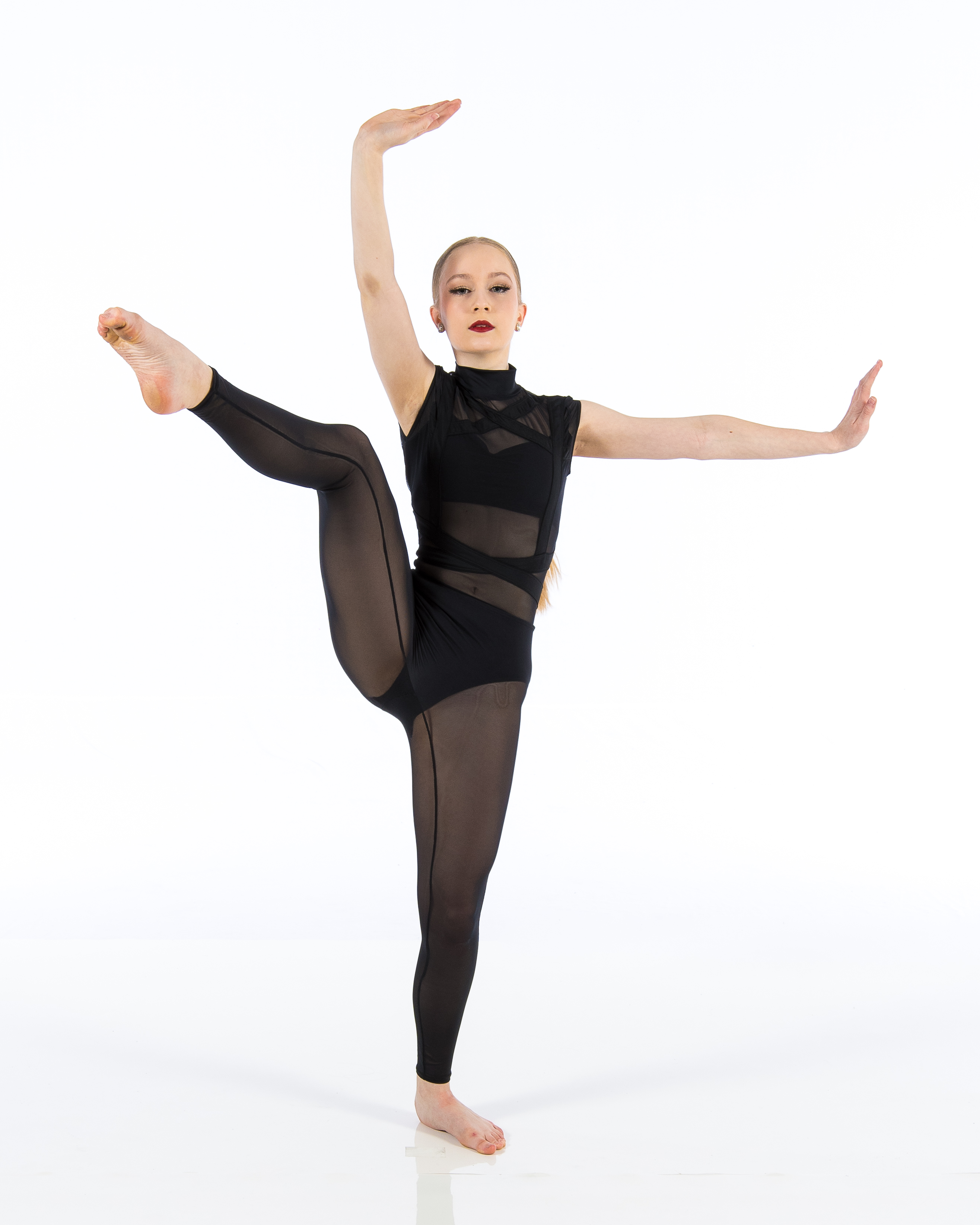
When to pivot styles mid-career, and how to do it without starting over
Dancers pivot for lots of factors. Injury, age, market requirements, or innovative cravings. The error is treating a pivot like a restart. It is a reroute. Your properties include you. The technique is to equate them.
A ballet professional dancer relocating right into commercial work should lean on clarity and rate of understanding. Industrial sets are frequently built on the place. If you can get eight counts after two passes, claim so in auditions with your body, not your mouth. Meanwhile, take 3 months of groove work where you do nothing flashy, simply ride the beat, soften heels, release ribs, and learn what it implies to relax without slumping.
A hip-hop dancer relocating right into modern should use pocket to win musicality notes, then invest in transitions and floor paths. Don't chase circus tricks on day one. Build a library of rolls, spirals, and hand placements so floor expressions quit appearing like a series of stops. A weekly ballet barre focused on placement rather than yield will give you devices for lengthy lines without altering your identity.
For Latin dancers changing into theater, the partnering experience is gold. Use it. However cinema demands personality via movement options, not just clean method. Take representing dancers and a Fosse-style jazz course where micro-intonations issue. The torque you constructed in rumba will certainly make those stylized shoulders review with much less effort.
The injury math: what variety assists and what it complicates
Mixing styles can minimize repetitive stress, because you stay clear of hammering one pattern everyday. It can likewise present irritations if you series inadequately. The patterns I see frequently:
Knee inflammation when mixing deep hip rotations in Latin or jazz with heavy parallel jumping in modern or ballet without appropriate hip toughness. Remedy: glute med and deep rotator enhancing two times a week, plus clear warmups that separate parallel and turnout.
Achilles pain when including house footwork to an already jump-heavy timetable. Option: modern calf filling with both curved and straight knee elevates, and flooring option. Residence on concrete is a quick course to tendonitis. If the workshop flooring is dead, decrease volume.
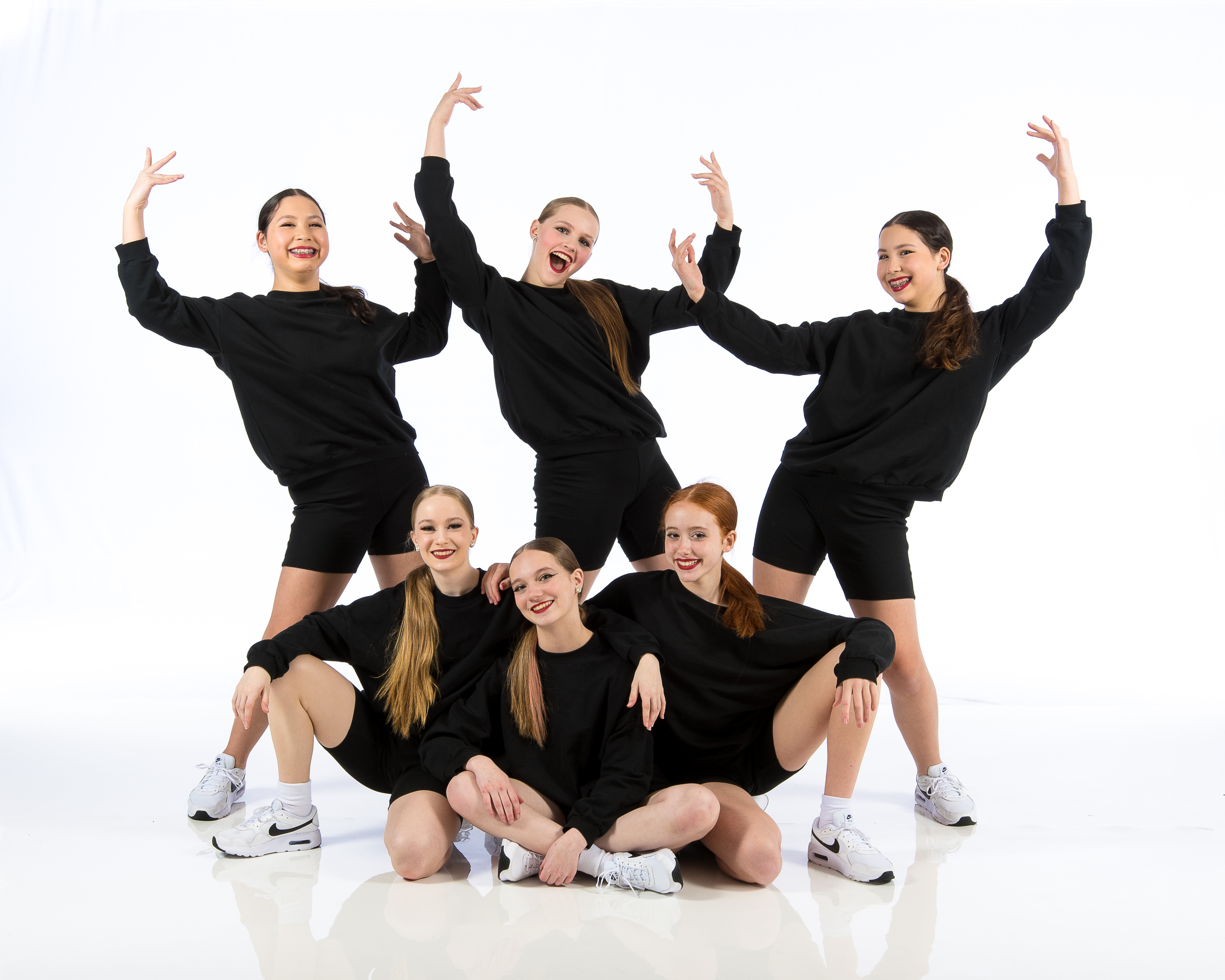
Low back tiredness when layering standing out drills over Graham tightenings without integrating back neutral. Option: educate your hips positions clearly and break sessions apart by at least eight hours when you are discovering new isometric control.
Wrist pain when starting splitting or including weight-bearing floorwork without any preparation. Service: hand and lower arm conditioning, load resistance job, and very early mentoring on scapular reach. Most wrist problems are actually take on mechanics.
The objective is not to be afraid range. It is to regard load. A basic guideline that conserves professions: add one variable at once. Brand-new style, new volume, or brand-new intensity. Choose one per week, not all three. Then pay attention. Discomfort is okay. Sharp joint pain or lingering swelling is not a badge. It is a signal.
Training smart when resources are limited
Not everybody has accessibility to world-class instructors in 5 categories. You can still educate multi-style wisely with constraints.
If your town has only one ballet class and a hip-hop session shown by a peer, anchor with those and utilize on the internet sources for specific drills. Target abilities as opposed to choreography videos. For hip-hop, locate foundational tutorials from trustworthy teachers on groove, bounce, and timing. For ballet, look for tidy barre malfunctions that emphasize placement over circus. For Latin or partnering, book a personal as soon as a month to get hands-on improvement. The remainder of the time, practice frame and weight shifts solo with a mirror and a metronome.
If you can not afford more classes, profession. Lots of studios will trade front workdesk hours for class credit scores. Deal to tidy floors, assist newbies, or understudy routines. Remaining in the room matters. You will learn from watching degrees over you.
If time is the constraint, add micro-sessions. 10 mins of maneuvering drills while coffee mixtures, five minutes of rib isolations after a shower, 3 mins of breath wording before bed. Over a month, those minutes pile into real control changes.
The tryout lens: exactly how adaptability books
Directors won't always say "We need a multi-style dancer," yet they will certainly ask for it with their selections. A callback might change from a limited unison hip-hop expression to a partner improv throughout the flooring. They are checking two things: can you flip the button without shedding high quality, and do you keep your perspective while adapting?
Bring a toolkit you can deploy fast. If the choreographer says "Provide me your sauce," you require a 16-count freestyle that resides in your body and speaks your training. It must reveal pocket, a clear partnership to the floor, and one clear trademark step you can modulate in energy. If they state "Soften it," you must have a means to keep the skeleton of the expression while changing assault. That is where multi-style training radiates. You recognize ten various ways to state the exact same sentence.
The various other point that publications is exactly how you discover. Educators view in between run-throughs. If you are the dancer that asks, "Do you desire this placed or ridden?" or "Are we sitting behind the beat or on the top?" you inform them you speak numerous dialects. You are not valuable regarding one fact. You offer the room.
Teaching and choreography: why multi-style minds run far better rooms
If you plan to teach, choreograph, or direct, cross-training changes the means you sign and the means you build expressions. You quit stating "once again" and start claiming "move the weight earlier," because you can see the transfer. In a newbie jazz course, you might bring a house bounce drill to get up knees and ankles before talking about style. In a contemporary company, you may use a tap clap pattern to integrate set timing without melting legs. These are not tricks. They are methods to conserve time and reduce injury while boosting accuracy.
Choreographically, multiple styles provide you a broader combination without transforming your work into a pastiche. You discover to value the grammar of each form, after that decide where to break regulations. A ballet line that melts into a residence loose-leg, a Latin contra-body that opens a modern spiral, a popping accent that punctuates a lyrical rise. The result checks out not as "fusion" for its own benefit, however as a richer sentence.
A basic development version that keeps you honest
To make multi-style dance training sustainable, you require checkpoints. Otherwise, the calendar fills and the growth stalls. Maintain an easy progression design on a three-month cycle.
- Month one: establish baselines. Movie a 30-second expression in your spike design and a 30-second phrase in your second style. Note three concrete metrics such as variety of tidy doubles without traveling, ability to freestyle conveniently for 16 matters without repeating a relocation, or partnering a fundamental pattern at a given pace without loss of frame. Month two: increase difficulty by one knob just. If you elevate pace, keep complexity consistent. If you include floorwork, lower general volume. Retest mid-month. Adjust. Month three: integrate. Develop a short solo that weaves elements from both designs with clear transitions. Show it to a train or relied on peer that comprehends both forms. Request one note on technicians and one note on presence.
At completion of the cycle, repeat the baseline shooting. If the metrics relocated and you really feel much less fragile under stress, you get on track. Otherwise, lower inputs and boost concentrated repetition.
The long game: identification, not imitation
Training across designs is not about eliminating your roots. It is about deepening your voice. The professional dancers that last keep a core identification that turns up in every room. You might be the quiet storm whose movement simmers until it all of a sudden cracks open. You could be the artist with feet that always find the deeper pocket. You could be the author who makes a phrase make good sense even prior to songs beginnings. Multi-style job provides you more nouns and verbs to create with, however the story continues to be yours.
What I tell young dancers is straightforward. Safeguard the delight that brought you to the studio, then do the monotonous components that make art possible. Take the course that terrifies you due to the fact that you look silly in the mirror. Build your ankles. Discover to breathe on purpose. Regard the background of each form you touch. Discover educators who fix you with specifics, not slogans. Maintain one design you like and refine it for years. Utilize the others to maintain you truthful and free.
Versatility is not a costume you place on when the gig demands it. It is a body and a mind educated to pay attention, readjust, and speak plainly in more than one language. When the songs swerves or the choreographer flips the manuscript, you will certainly not stress. You will grin a little, modification equipments, and ride it. That is what unstoppable technique resembles. And it is developed, not inherited, one curious course at a time.
Business Name: Doty Performance Website: https://www.dotyperformance.com/ Phone: +1 (503) 822-5276 Address: 20345 SW Pacific Hwy #306, Sherwood, OR 97140, United States About Doty Performance: Doty Performance is a dance studio in Sherwood, Oregon that offers a variety of dance programs for all ages and levels of dancers. We have classes for Ballet, Tap, Jazz, and Hip-Hop. So if you are looking for a dance studio near me that welcomes all skill levels, ages, and genders, look no further than Doty Performance dance studio.